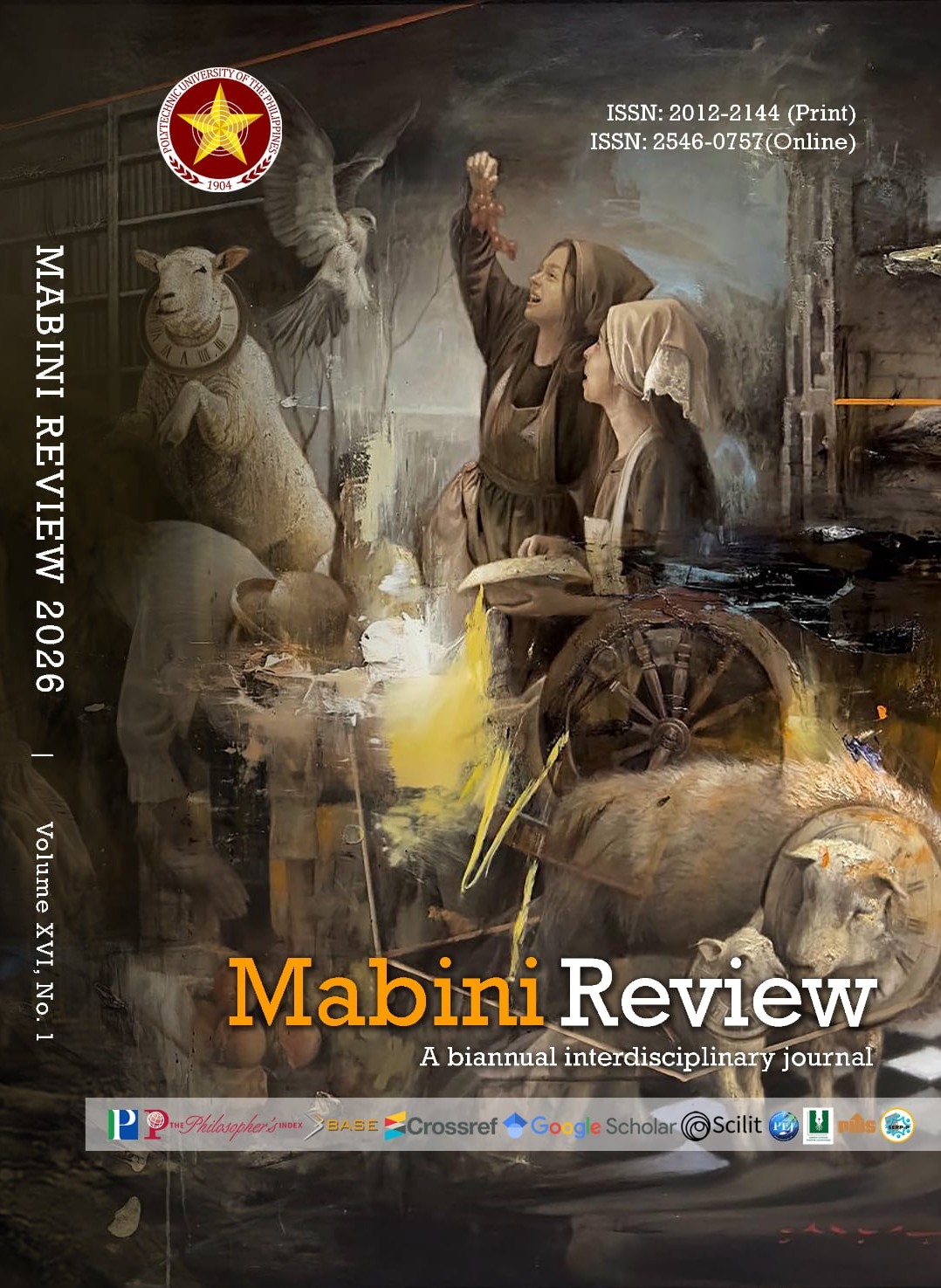
Mythos to Logos and the Human Quest for Meaning
The search for the meaning of life has been a defining mark of human existence, shaping the formation of philosophies, human civilization, and cultural systems across time. Even the earliest mythological narratives in Ancient Greek society were attempts to understand humanity’s place in the natural world. It can be observed that in Ancient Greek, mythos provided the earliest context for understanding reality, evident in the works of Hesiod and Homer, where they explained phenomena in the world as a dynamic interplay of mythological forces and human fate as a reflection of gods’ and goddesses’ emotions as well. However, these mythological narratives were not merely works of the imagination; rather, they can be seen as construing a structured system of meaning and rationalization that can eventually guide the moral behavior of the early inhabitants of the city- states or polis. Despite the early attempts to move away from narrative-based explanations to a more reasoned analysis, interpreted as a transition from mythos to logos, the complexity of our present-day social problems reveals the vital role played by mythos in preserving human tradition. For instance, studies in environmental ethics, gender equality, and formations of different social systems show that mythos can help shape human values and traditional practices. With my recent works in indigenous studies, I learned that members of different tribes (in the Philippines) pay attention to environmental preservation as they look at nature as an extension of their meaning, with ancestral spirits also residing in it. Leonardo Mercado notes that Filipino indigenous thought is embedded in lived experience and communal practices, making it particularly vulnerable when detached from its cultural context. Here we can see that mythos does not work as opposed to logos; it rather complements rationality by providing an ethical guide in the way we assess phenomena, form dynamic encounters with nature, and relate with our fellow human beings. Our contemporary society poses a danger to the continuity of our traditional beliefs and knowledge. As rooted in oral transmission, ritual practice, and everyday communal life—are often displaced by institutionalized forms of learning that privilege written texts and standardized curricula. As a result, indigenous knowledge related to spirituality, agriculture, and healing risks marginalization. However, continuous efforts and studies cultivating a culture of research on indigeneity are a promising step to uphold this important tradition that also pays high respect to the interconnectedness of humans and the environment. As F. Landa Jocano argues, cultural systems often integrate both rational and symbolic elements, suggesting that myth and reason coexist rather than compete. In this sense, the human quest for meaning is not a linear progression from myth to reason but a dynamic interaction between the two. It can be seen here that the relevance of mythos becomes particularly evident in environmental discourse. The growing awareness of ecological crises has prompted a reevaluation of traditional knowledge systems, many of which are rooted in mythological worldviews. In the Philippine context, indigenous communities continue to practice rituals and customs that regulate the use of natural resources, reflecting a deep respect for ecological balance. Zeus A.Salazar highlights that indigenous knowledge systems are essential for understanding local environmental practices, as they embody values that promote sustainability and communal responsibility. The role of mythos in shaping perspectives on gender equality further illustrates its enduring importance. While some mythological traditions have reinforced patriarchal norms, others have provided powerful representations of female agency and leadership. In Philippine mythology, figures such as goddesses and babaylan (female spiritual leaders) reflect a cultural recognition of women’s authority and influence. Scholars like Lilia Quindoza Santiago argue that revisiting these narratives can challenge colonial and patriarchal structures, offering alternative frameworks for understanding gender roles. By engaging with mythological traditions, contemporary movements for gender equality can draw on culturally resonant symbols that complement legal and institutional reforms. Also, the nature of Philippine festivals, rituals, and oral traditions reflects a synthesis of indigenous beliefs and colonial influences, demonstrating the adaptability of mythological frameworks. Nicanor G. Tiongson notes that these traditions function as “living texts” that preserve collective memory while evolving to meet contemporary needs. The persistence of such practices underscores the idea that mythos is indeed a dynamic force, as it also shapes ethical encounters of people in each community. While rational inquiry has expanded human knowledge and technological capabilities, mythos continues to provide essential insights into values, identity, and ethical responsibility. The enduring relevance of mythos in environmental preservation, gender equality, and cultural traditions demonstrates that it is not a relic of the past but a vital resource for navigating the complexities of modern life. In conclusion, the human quest for meaning is best understood as a synthesis of mythos and logos rather than a transition from one to the other. The crisis that we have encountered in recent years in relation to human relations and global responsibility for preserving nature is enough to show that we have a failure to give value to the learnings that we get from the distant past. Our misery today can be attributed to human greed, abuse of power, hoarding of resources, and the never- ending desire for recognition lead to our very destruction. This latest issue of our journal invites readers to reflect on the enduring values that make us human. By exploring themes such as mythology, culture, tradition, equality, and human survival, we aim to provide both insight and inspiration. It is our hope that these discussions will guide readers in finding deeper meaning and encourage the cultivation of a more compassionate, human-centered world. BIBLIOGRAPHY Jocano, F. Landa. Filipino Prehistory. Quezon City: Punlad Research House, 2001. McKirahan, Richard D. Philosophy Before Socrates. 2nd ed. Indianapolis: Hackett Publishing Company, 2010. Salazar, Zeus A. Pantayong Pananaw. Quezon City: Palimbagan ng Lahi, 1991. Santiago, Lilia Quindoza. Kritisismo ng Kababaihan. Quezon City: University of the Philippines Press, 2005. Tiongson, Nicanor G. Kasaysayan ng Komedya sa Pilipinas. Quezon City: Ateneo de Manila University Press, 1982.Articles
Komparatibong Analisis sa Estetikong Danas na Hatid ng Koreanobela at Filipinobela ayon sa mga Pilipinong Manonood
Christine Morit
Wikang Filipino at ang Diskurso ng Kasarian: Ang Misgendering kay Jude Bacalso Bilang Salamin ng Panlipunang Pananaw
Ignatius Vinzons
Pagtatahip: Doing Filipino Philosophy
Bernard Bragas
Teksto ni Danton Remoto bilang Kontra-Diskurso Laban sa Homopobikong Kamalayan
Marielle Clave Gidalanga
Self-Surrendering Love: Initial Musings on Karuna and Caritas
Wesley Kim Soguilon
Anatomiya ng Recto University: Ang Pagsasaespasyo ng Produksyong Paggawa sa Industriya ng Document Forgery
Mary Joy Parajas
Book Review